Presentation Training for Architects: Building a Firm-Wide Skill

Architecture firms present constantly. Principals pitch new clients, project architects walk owners through design milestones, and designers defend decisions at community meetings and review boards. Yet very few firms teach presenting as a skill. Most rely on observation and trial and error, which produces uneven results and leaves younger staff to learn from the mistakes of others. A structured presentation training program treats the skill as part of professional practice, the same way the firm treats detailing or code review. Training also helps with the variety of rooms architects work in. A selection interview, a planning commission hearing, and a weekly meeting with a client's facilities team each call for a different level of detail and a different tone.
Teach the Fundamentals Once
Effective training starts with a small set of ideas every presenter can apply. Know the audience and what they must decide. State the main point early. Support it with a limited number of examples. Close with a clear request or next step. These ideas sound simple, and they are, but most architects have never practiced them deliberately. A half-day workshop that walks through each idea with the firm's own project material gives staff a shared vocabulary for giving each other feedback afterward. Add a short exercise in which each participant states the point of their project in one sentence, then tests every slide against it. Ask them to name the single question the audience will want answered.
Practice With Real Project Content
Generic exercises feel artificial and rarely stick. Training works better when participants present a real project, such as a recent school or a current mixed-use proposal, to colleagues who play the role of a client panel. The presenter gets practical feedback on pacing, clarity, and how visuals were used. Observers learn by watching, and the firm builds a habit of rehearsing before important meetings instead of relying on instinct on the day. Schedule sessions of 45 minutes with a fixed format: ten minutes to present, ten for questions, and the rest for feedback against a short checklist. Record each talk so presenters can watch their own pacing.
Design the Slides to Support the Speaker
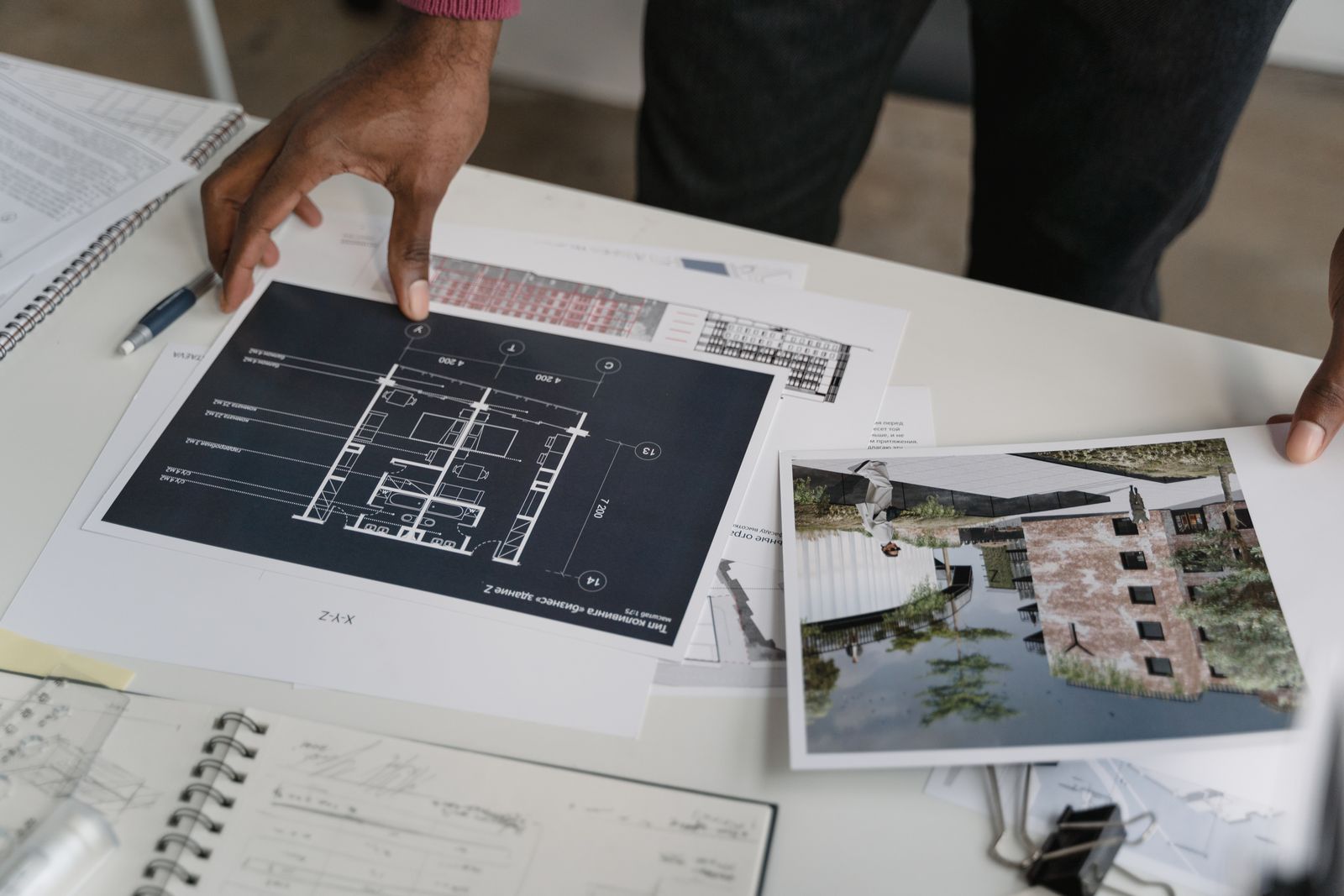
Architects love imagery, and that is an asset, but it can also push the speaker aside. Training should cover how to use a rendering or plan as evidence for a single point, how to sequence images so the story builds, and when to leave the screen blank so the audience listens. Standard templates with consistent type, margins, and image treatment save time and keep the focus on content. Junior staff in particular benefit from having a clear standard to work from. A useful rule is one idea per slide, with a title that states the conclusion rather than naming the image. A plan labeled with the circulation concept tells the audience what to look for. Crop renderings to the area under discussion, and keep fonts large enough to read from the back of a conference room.
Build Confidence Across Levels
Principals and junior designers face different challenges. Principals need to be concise and deal with senior client questions. Junior staff need to speak up in a design review without being overwhelmed. A good program supports both, offering coaching for leaders and lower-stakes practice for emerging professionals. Over time, the firm develops depth, so more people can represent the work well when a principal is unavailable. Pair each junior designer with a mentor who attends their first few presentations and gives notes afterward. For principals, coaching often focuses on cutting a ten-minute explanation to three minutes and on answering a hard question without starting a defense of the whole design.
Keep It Going
One workshop will fade within months. Firms that see lasting benefit build short, recurring sessions into the calendar, such as a monthly practice presentation or a post-interview review. These sessions keep skills active and let the firm capture lessons from each pursuit. Recording talks and sharing strong examples helps spread good habits across offices. Appoint one person to schedule the sessions and keep a shared folder of recorded talks and checklists. After each major interview, hold a 30-minute review while memories are fresh, noting which questions surprised the team and which visuals drew comments from the panel. Those notes become the starting material for the next pursuit.
The Bottom Line
Presentation training is an investment in how the firm communicates every day. It improves pursuit results, strengthens client relationships, and gives staff a skill that supports their careers. For an architecture practice that depends on persuading others to build, it is a sensible area to develop deliberately.